Construction
Practical construction equipment advice you can use today
Field-tested tips on choosing, running, and maintaining machines and tools—written for contractors and landowners who need equipment to work, not just look good.
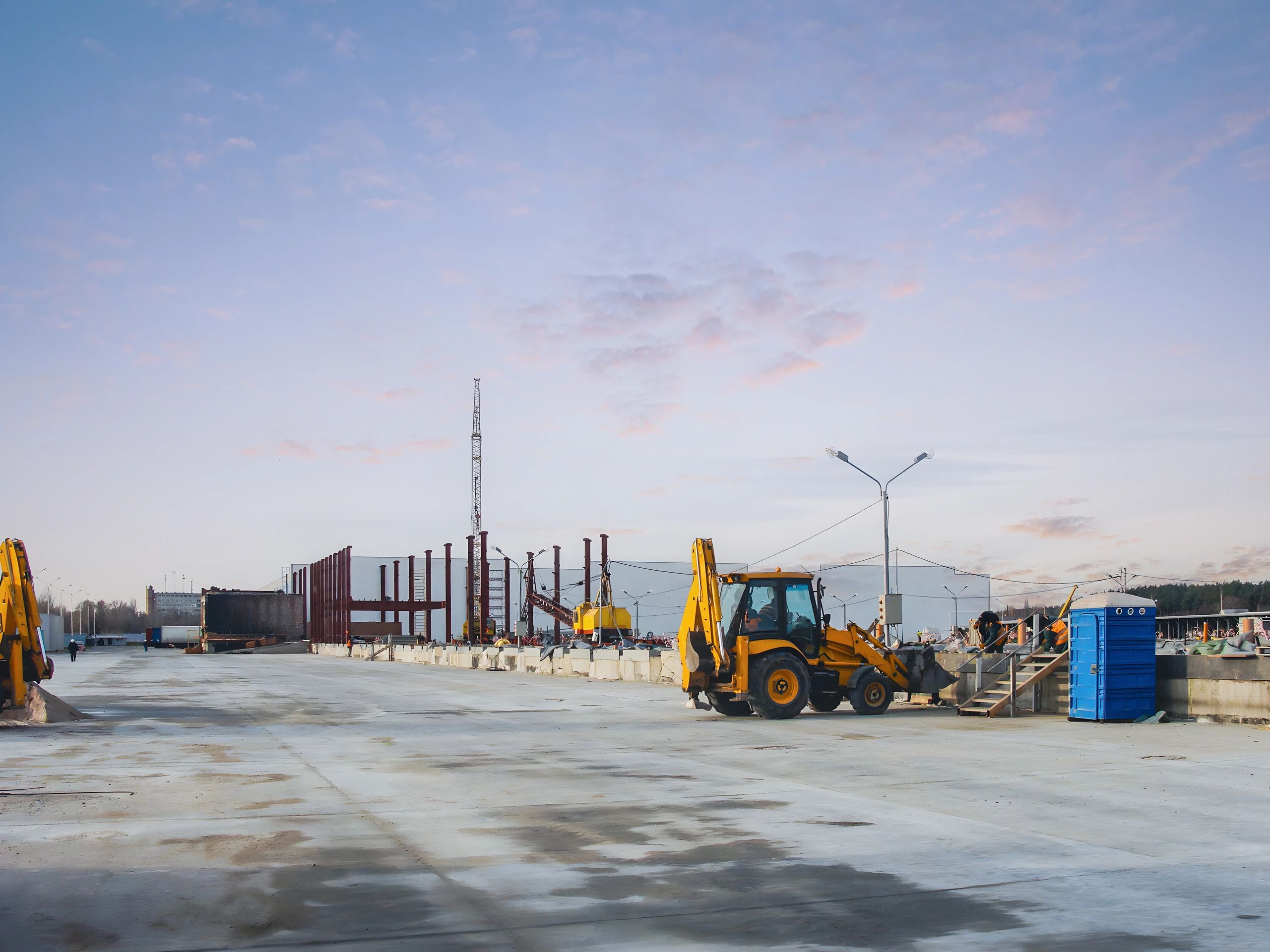
Start here
What you’ll find in Construction Advice
Short, scannable guidance for the decisions that cost the most time and money on a jobsite.
Machine selection
How to match size, weight, hydraulics, and attachments to the work you actually do.
Operation tips
Daily checks, safe habits, and techniques that improve productivity and reduce wear.
Maintenance and troubleshooting
Intervals, fluids, filters, and quick diagnostics to keep downtime from snowballing.
Jobsite planning
Material handling, access, and workflow tips that help you finish faster with fewer surprises.
Framework
A simple way to make better equipment calls
Popular topics
Advice categories contractors ask for
Use these as starting points. We’ll keep expanding this library with real-world lessons and clear recommendations.

Construction equipment advice FAQs
Quick answers to common questions we hear from contractors and landowners.
Should I buy or rent for a short project?
If you won’t use it often, renting can be cheaper once you factor in maintenance, storage, and depreciation. If the machine will be used across multiple jobs, buying (or financing) may win long-term—especially if local dealer support is strong.
What matters more: operating weight or horsepower?
For many compact machines, operating weight and hydraulic performance often matter more than raw horsepower. Weight affects stability and lifting; hydraulics drive attachment performance. Use horsepower as a tie-breaker, not the starting point.
How do I choose the right bucket size?
Match bucket width to your typical trench or grading work, then confirm the machine can handle the heaped capacity without losing control. Oversized buckets can slow you down and increase wear.
What are the most important daily checks?
Walk-around inspection, fluid levels, leaks, track/tire condition, pins and bushings, and safety systems. Catching small issues early prevents bigger failures and keeps the job moving.
How often should I grease pins and joints?
Follow the manual, but in dirty or wet conditions grease more often. A quick routine at the end of the day is usually easier than trying to fix slop and premature wear later.
What’s the best way to compare two machines?
Compare them on your real tasks: lift height, reach, breakout force, hydraulic flow, visibility, service access, and attachment compatibility. Then weigh dealer support, parts availability, and total cost of ownership.